


University of Hamburg
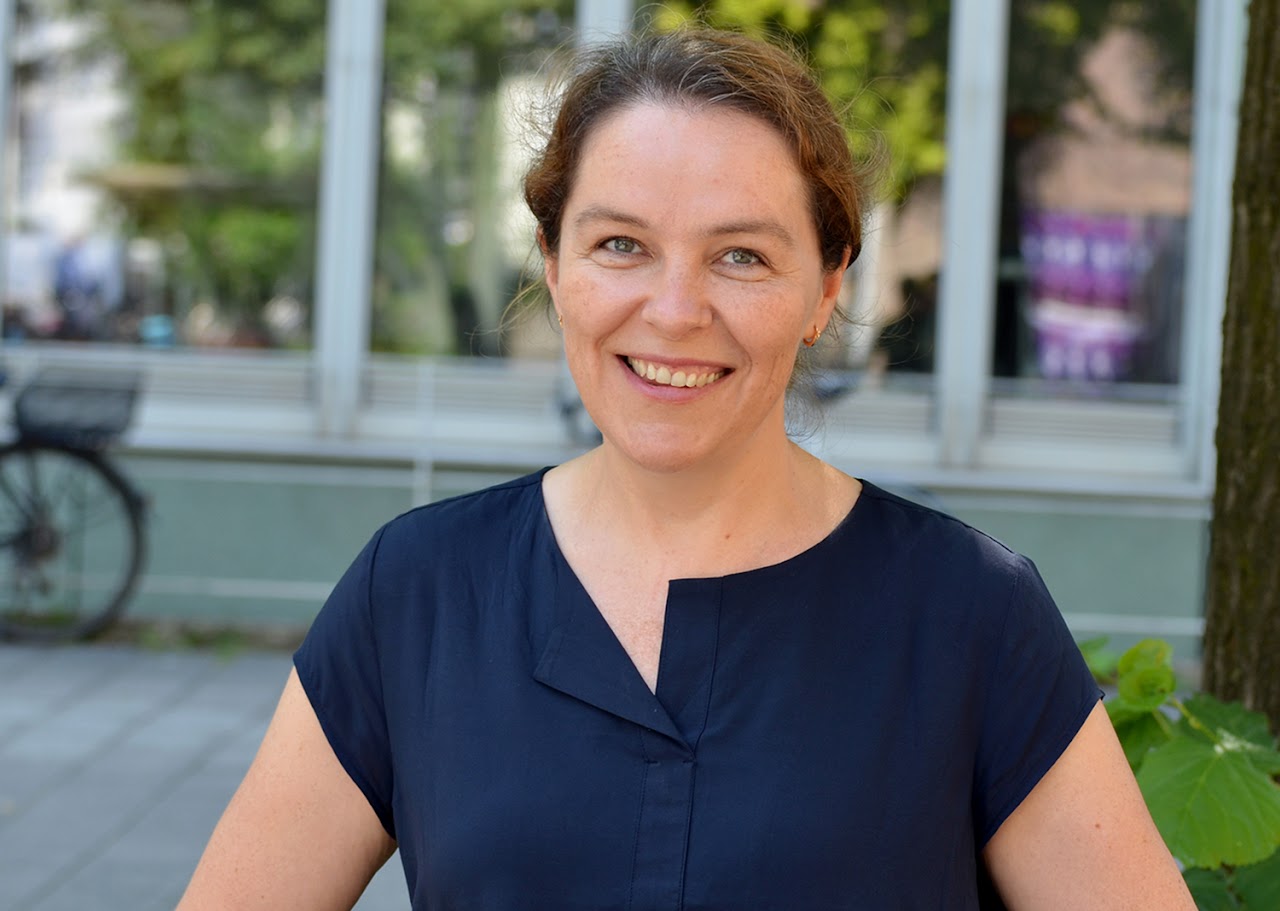
Prof Tatiana Ilyina is Professor for Modeling the Carbon Cycle in the Earth System at University of Hamburg, Head of Department for Earth System Modeling at Helmholtz-Zentrum Hereon, as well as Ocean Biogeochemistry Group Lead at the Max Planck Institute for Meteorology. Her research interests lie primarily in the area of the ocean carbon cycle, its variability and predictability on decadal time-scales, as well as its impacts on Earth’s climate via the climate-carbon-cycle feedbacks on centennial to millennial time-scales.
Her research philosophy has been to address these topics with Earth system models (ESMs), prioritizing ESM simulations enabled by interactive carbon cycle. By resolving carbon-climate feedbacks, such approach enhances the realism of ESM simulations and provides a direct link between policy changes and the Earth system. We aim to enhance model realism by bringing together increased process complexity and increased spatial resolution. Together with her group, she works on enhancing the realism of the ocean carbon cycle by bringing together increased process complexity (by incorporating missing or insufficiently represented ocean biogeochemical processes) and increased spatial resolution (by resolving processes mediated by meso- and submesoscales) in ESMs.
She acts as co-Chair of the World Climate Research Program’s Working Group on Coupled Modeling. In 2025 she received the European Geosciences Union’s Fridtjof Nansen medal “for distinguished research in oceanography to enhance our understanding of the ocean carbon cycle and its critical role in the climate system”.
Plenary 2, Thursday 3 July. 9.40-12.00. – The carbon cycle and future climate pathways
Quantifying carbon-climate feedbacks in a changing climate
The fate of anthropogenic CO2 emissions is modulated by the strength of the ocean and land carbon sinks. Any change in the processes regulating these carbon sinks may alter the carbon-climate feedbacks and affect the rate of global change. To the first order, the relationship between global warming and cumulative CO2 emissions – referred to as transient climate response to cumulative CO2 emissions (TCRE) – is a near-linear. Yet, recent studies based on Earth system models (ESMs) highlight large uncertainty across models, due to our lacking understanding of the carbon feedbacks. This makes representing carbon cycles as an interactive component of ESMs a key scientific challenge. I will discuss the current progress, challenges and opportunities in addressing knowledge gaps related to the changing carbon-climate feedbacks in the Earth system and constraining TCRE.